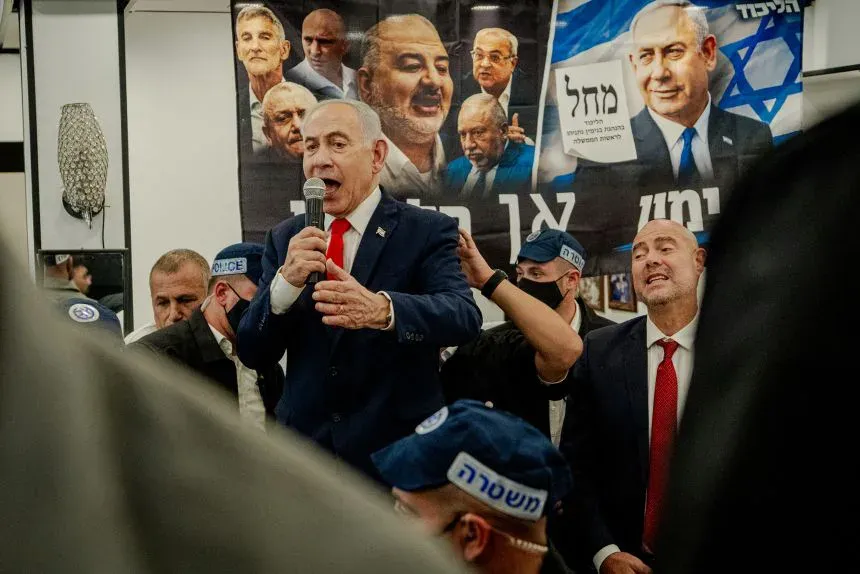
Israel’s Most Important Election in Years: What Is at Stake
Israel’s upcoming parliamentary election is shaping up to be another decisive test for Prime Minister Benjamin Netanyahu, the country’s longest-serving leader. As voters prepare to cast their ballots, the central question is whether Netanyahu should remain in office or whether the country should pursue a different political direction.
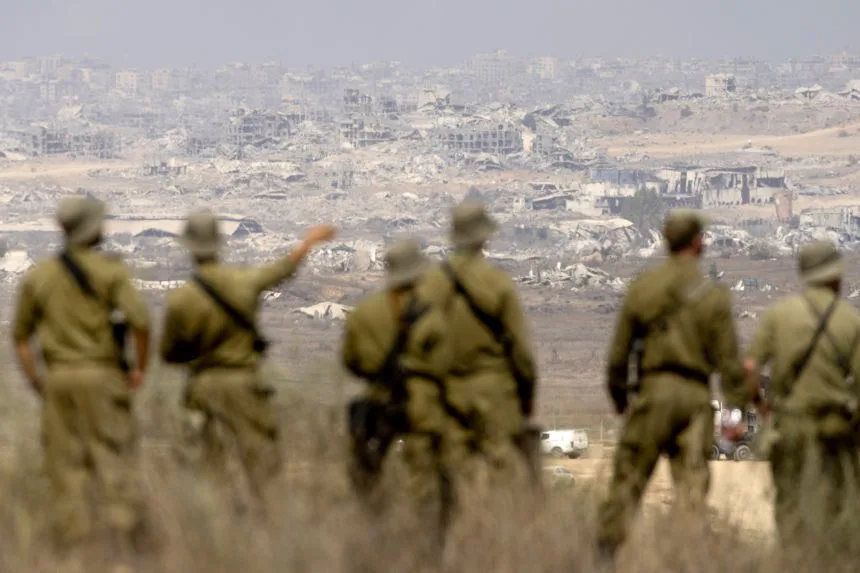
The election carries particular significance because it follows the Hamas-led attack of October 7, 2023, which exposed major failures in Israel’s security system and triggered prolonged military campaigns in Gaza, Lebanon and Iran. The conflicts have placed enormous pressure on Israeli society and contributed to growing diplomatic tensions between Israel and much of the international community.
For many voters, the election represents an opportunity to assess the government’s handling of the October 7 attacks, determine who should lead Israel through continuing security challenges and reconsider the distribution of military responsibilities across society.
Netanyahu’s outgoing administration, which became the first Israeli government in decades to complete a full four-year term, depended heavily on far-right nationalist and ultra-Orthodox parties. Their influence pushed government policy toward more conservative, religious and nationalist positions.
His time in office has also been marked by corruption proceedings and a controversial effort to restructure Israel’s judicial system. The proposed changes, which critics argued would weaken the Supreme Court and other institutional checks on government power, prompted widespread demonstrations in 2023.
The result of the election could determine whether Israel continues along this political path or moves toward a different approach. However, the final outcome may take weeks to become clear because of the country’s coalition-based parliamentary system. Current projections suggest that neither Netanyahu’s allies nor the opposition will easily secure enough seats to govern independently.
The main contenders and the balance of power
Israel’s electoral system allows citizens to vote for political parties rather than individual parliamentary candidates. The system reflects the country’s divisions over religion, national identity, ethnicity and ideology, resulting in a large number of competing political movements.
Parties must receive at least 3.25% of the national vote to enter the 120-member Knesset, Israel’s parliament. Thirty-six parties were competing in the election, although polling suggested that only around 11 to 13 would cross the required threshold.
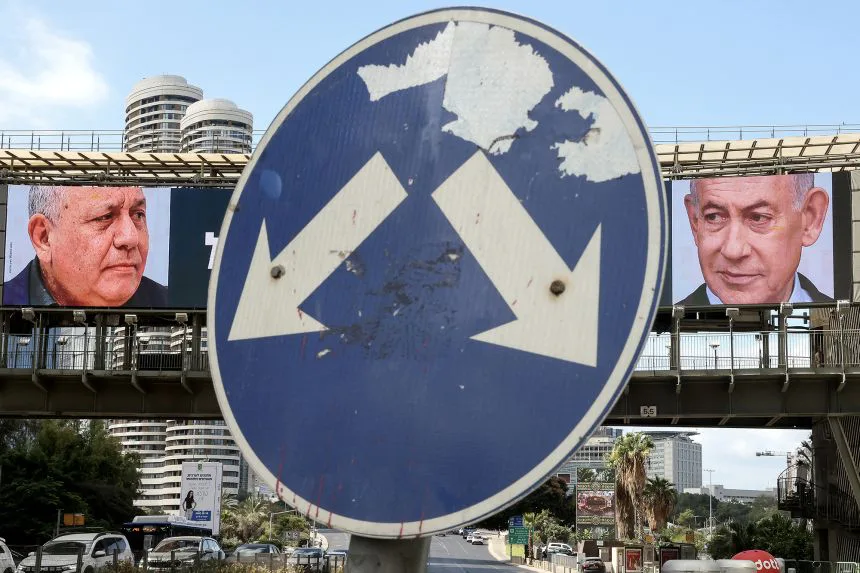
Netanyahu’s right-wing Likud party faces its principal challenge from Yashar, a centrist political movement led by Gadi Eisenkot, a former chief of staff of the Israeli military.
Recent opinion polls have produced differing projections. A Channel 12 survey placed Eisenkot’s party ahead with 23 seats, compared with 21 for Likud. A separate poll from Channel 14, which is generally supportive of Netanyahu, projected approximately 30 seats for Likud and 20 for Eisenkot’s party.
Surveys asking voters who would make the better prime minister have also tended to favor Eisenkot over Netanyahu.
Nevertheless, winning the largest number of seats does not automatically guarantee the premiership. A party or coalition must command the support of at least 61 members of the Knesset to form a government. Since no party has ever secured that majority on its own, negotiations between political groups are often more important than the initial election-night results.
Polling places Netanyahu’s bloc, which includes Likud, two far-right parties associated with Bezalel Smotrich and Itamar Ben-Gvir, and two ultra-Orthodox parties, at roughly 49 to 55 seats. That would leave the bloc short of the majority required to govern.
The opposition faces its own challenges. Although its combined support appears competitive, it remains divided among parties with different political priorities and leadership ambitions.
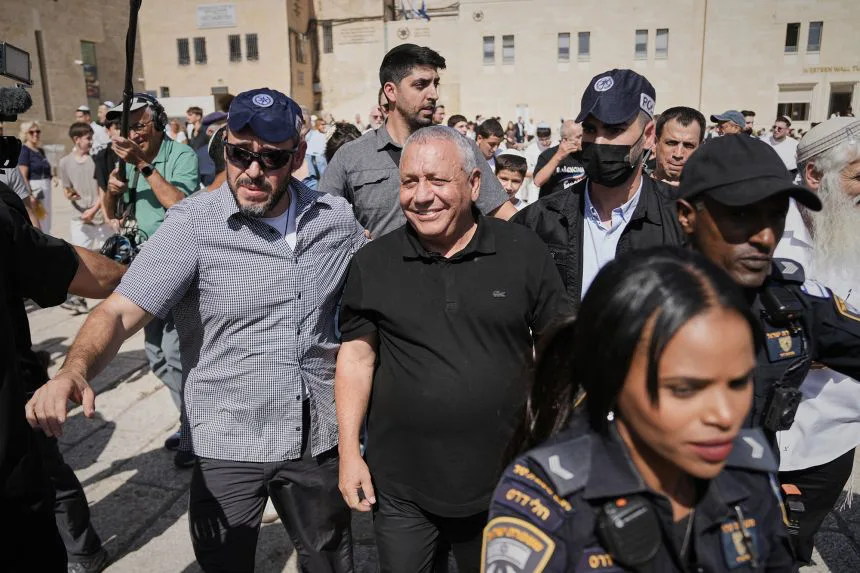
Eisenkot is challenged from the right by movements associated with former Prime Minister Naftali Bennett and former Defense Minister Avigdor Liberman. On the left, the Democrats party, led by Yair Golan, offers a different political vision.
Neither Bennett nor Liberman has endorsed Eisenkot as their preferred candidate for prime minister, and both have ambitions of leading the government themselves.
An alternative coalition could also depend on support or abstention from Arab parties, a possibility that several opposition leaders have rejected or approached cautiously.
With neither side assured of a majority, Israel could face another prolonged political stalemate. A minority administration, a national unity government or even another election could emerge from the negotiations.
Factors that could determine the result
The outcome may depend less on the performance of the largest parties than on the fortunes of smaller political movements. Under Israel’s electoral system, parties that fall below the 3.25% threshold receive no parliamentary representation, potentially wasting a significant number of votes.
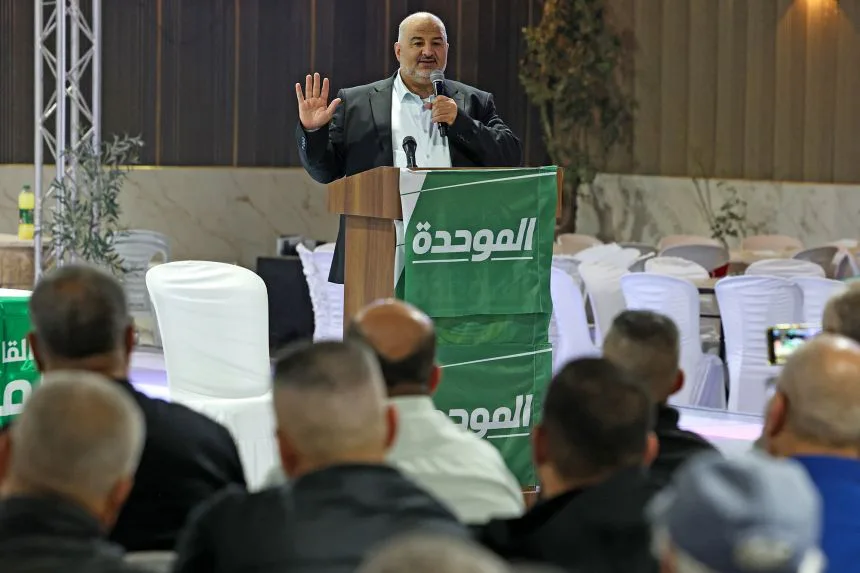
Turnout could therefore prove decisive. A relatively small shift in participation might determine whether a minor party enters parliament, disappears from the political landscape or becomes essential to forming a governing coalition.
Participation among Arab citizens of Israel is receiving particular attention. Palestinian citizens account for approximately one-fifth of the country’s population and have historically voted at lower rates than the national average.
In the 2022 election, turnout among Arab voters was 53.2%, compared with 70.6% nationally. Pollsters expect Arab participation to exceed 60% in the current election.
Higher turnout could change the distribution of seats and complicate the prospects of smaller parties seeking to enter the Knesset.
Several parties within Netanyahu’s coalition face the possibility of failing to cross the electoral threshold. These include Smotrich’s Religious Zionism party and a newly established right-wing movement led by retired military general Ofer Winter.
Most opposition parties appear to be in a stronger position, although at least one smaller movement focused on reservists and economic issues has been polling close to the minimum threshold.
Another unusual factor is the participation of Israelis living overseas. Israel generally does not permit citizens abroad to vote, with limited exceptions for certain official personnel. Government figures indicate that more than 11% of the approximately 7.3 million eligible voters, or around 810,000 people, live outside the country.
Thousands are reportedly planning to travel back to Israel to cast their ballots. Their participation could influence a closely contested result, particularly if the election is decided by narrow margins.
Economic pressures compete with security concerns
After years of conflict, national security and political accountability remain major concerns for Israeli voters. However, the rising cost of living has also become an important issue, particularly among younger people struggling with housing expenses and everyday costs.
According to a recent Channel 12 survey, 21% of respondents identified the economy and cost of living as their leading election concern. Ultra-Orthodox military conscription ranked second at 17%, followed by the failures surrounding October 7 at 14% and the war with Iran at 10%.
Political priorities differ considerably between the two major blocs. Among supporters of Netanyahu’s coalition, the conflict with Iran ranked as the leading concern, cited by 21% of respondents. Among opposition voters, the October 7 security failures were the most prominent issue, receiving 28% support.
Research conducted in September by the Achord research center at Hebrew University found that 58% of voters aged 22 to 34 considered living costs and housing prices important factors in their electoral decisions. By comparison, 36% identified security as their primary concern.
Despite these figures, economic policy received relatively little attention during much of the campaign. That changed when Netanyahu addressed the subject in a television interview shortly before the election.
Discussing international criticism of Israeli settlements in the occupied West Bank, Netanyahu said Israel should prepare for the possibility of foreign banking sanctions. He proposed developing an economy capable of operating despite such restrictions and said he had requested a plan examining possible options, including cryptocurrency and blockchain technology.
The proposal drew criticism from economists and prompted an unusual public response from the Bank of Israel, which rejected the suggestion that cryptocurrencies could provide a reliable way to evade sanctions.
Netanyahu’s opponents seized on the remarks as evidence that his policies risked deepening Israel’s international isolation. Eisenkot mocked the proposal by referring to it as “BibiCoin” and argued that the government’s approach threatened the country’s long-term economic security.
The dispute highlighted a broader concern facing the next administration: how to protect Israel’s economy while managing international pressure, security costs and the consequences of prolonged military conflict.
October 7 and the Gaza war remain central to the campaign
Netanyahu has long presented himself as a leader capable of protecting Israel from security threats. However, he was prime minister when Hamas launched its October 7, 2023, attack, killing more than 1,200 people in Israel and taking 251 hostages into Gaza.
The scale of the attack and the failure to prevent it have become major issues in the election campaign.
Netanyahu has resisted accepting personal responsibility for the security breakdown and opposed calls for a state commission of inquiry into the events. Opposition parties have made accountability for the failures a central part of their challenge to his leadership.
The conflict has also shaped the personal experiences of political candidates. Eisenkot’s son, Gal, was killed while fighting in Gaza in December 2023. His loss has become part of Eisenkot’s public story as he seeks to present himself as a leader with direct experience of the sacrifices demanded by the war.
Other parties have recruited relatives of people killed in the conflict, bereaved families and family members of former hostages. Opposition movements have also brought reservists into their candidate lists, including individuals who recently served in Gaza and Lebanon.
Their participation has helped elevate military service and the fair distribution of national responsibilities in the campaign.
Most Jewish Israeli men and women are subject to compulsory military service, although the length and obligations differ. Ultra-Orthodox men studying religious texts have historically benefited from broad exemptions.
Netanyahu’s ultra-Orthodox coalition partners have sought to preserve those exemptions and secure arrangements that would protect their religious communities from compulsory service.
The issue has become more contentious as the military struggles to maintain sufficient personnel during sustained operations across several fronts. The armed forces have reported a shortage of more than 12,000 personnel, while reservists have been required to undertake repeated deployments that can amount to hundreds of days of service.
Opposition parties have made a more universal system of military or national service a key campaign promise. The debate raises difficult questions about equality, religious freedom, military readiness and the responsibilities citizens owe to the state.
What the election could mean for Palestinians
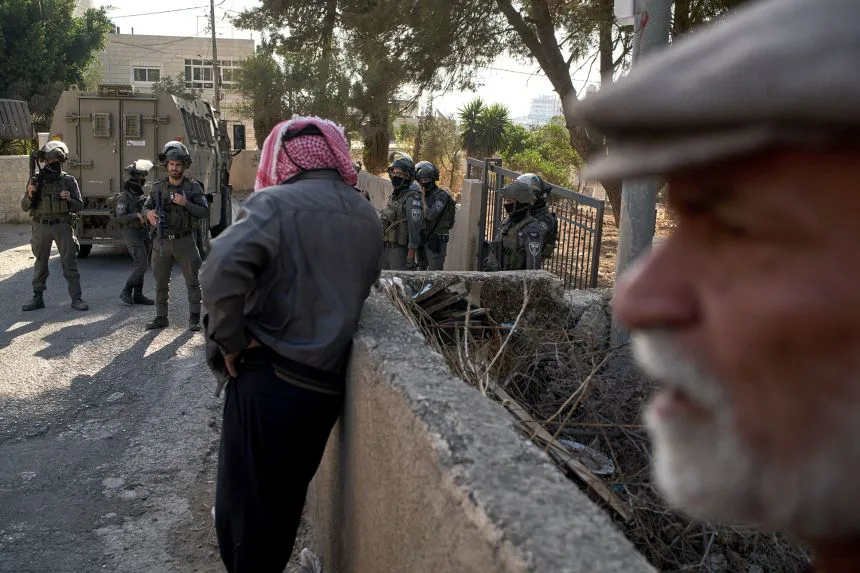
The outgoing government has pursued one of the hardest-line approaches toward Palestinians in Israel’s political history, with far-right coalition partners playing a significant role in shaping policy.
Smotrich, who serves as finance minister and oversees aspects of civil administration in the occupied West Bank, has supported expanding Israeli settlements. His policies have also included withholding tax revenues collected on behalf of the Palestinian Authority, a move critics warn could worsen the authority’s financial crisis.
Ben-Gvir, the national security minister, has promoted tougher policies toward Palestinian prisoners, supported legislation introducing the death penalty and faced criticism over what opponents describe as insufficient enforcement against violence by Israeli settlers in the West Bank.
Both politicians have opposed ending the war in Gaza and supported the establishment of Israeli settlements in the territory. They have also advocated annexation of the West Bank and the extension of Israeli control over the area.
If Netanyahu forms another government with the same partners, these policies could continue or become more aggressive.
Smotrich has called for abandoning the Oslo Accords, dismantling the Palestinian Authority and expanding military operations in the West Bank. Ben-Gvir has advocated Palestinian emigration from Gaza and the West Bank and has indicated that he would seek a senior security role in a future administration.
An opposition-led government would not necessarily produce a fundamental change in Israel’s position on Palestinian statehood. Eisenkot has also rejected the establishment of a Palestinian state, and any coalition he leads would likely include right-wing parties resistant to major territorial concessions.
Nevertheless, a government that does not rely on Ben-Gvir and Smotrich could adopt a different tone and alter some aspects of policy. It might take stronger action against settler violence, reduce public support for Palestinian displacement and the collapse of the Palestinian Authority, and show greater willingness to engage with diplomatic initiatives promoted by Washington and regional governments.
Such changes would not resolve the most difficult questions facing the region. Any incoming government would still have to confront the future of Hamas, the disarmament of armed groups, the reconstruction of Gaza and the restoration of security and effective governance in the West Bank.
International relations and Israel’s diplomatic position
Israel’s international standing has deteriorated amid the wars in Gaza and Lebanon, its confrontation with Iran and escalating violence involving settlers in the occupied West Bank.
The legal and diplomatic consequences have added to the pressure on Netanyahu. The International Criminal Court has issued an arrest warrant alleging war crimes in Gaza, creating potential travel restrictions and legal risks for the Israeli prime minister in countries that would be expected to enforce the warrant.
International criticism has also intensified over the humanitarian situation in Gaza and the conduct of Israeli military operations. Israel has repeatedly rejected accusations of genocide and other alleged violations, describing such claims as politically motivated or misleading.
Although US President Donald Trump has expressed support for Netanyahu, public opinion in the United States has become less favorable toward Israel.
A Pew Research Center survey conducted in March 2026 found that 60% of American adults surveyed viewed Israel unfavorably. The same survey found that 59% had little or no confidence in Netanyahu to make the right decisions concerning international affairs.
Findings from Pew’s Spring 2026 Global Attitudes Survey also indicated that unfavorable views of Israel and its prime minister were widespread across many of the 36 countries included in the research.
The shift has been particularly evident in Western Europe. Countries including the United Kingdom, France and Canada have recognized a Palestinian state and introduced sanctions or trade restrictions involving Israeli settlements and individuals or organizations linked to settler violence.
Ben-Gvir and Smotrich have also faced personal sanctions and travel restrictions imposed by several Western governments.
If Netanyahu returns to office with his current coalition partners, international pressure could increase further. A government led by Eisenkot or another opposition figure might initially have a better opportunity to ease diplomatic tensions with European governments and parts of the US political establishment.
More decisive action against settler violence and a greater willingness to cooperate with international partners could create opportunities to rebuild strained relationships.
However, a change in leadership would not necessarily reverse the broader deterioration in Israel’s global standing. The leading opposition figures are not expected to completely overhaul the country’s security or foreign policy, and fundamental disagreements over Palestinian statehood, Gaza and regional security would remain.
An alternative government could gain some diplomatic breathing room, but restoring international confidence would likely require more than a change of prime minister.
Ultimately, the election will determine not only who leads Israel but also how the country responds to its security failures, internal divisions, economic pressures and increasingly difficult international relationships. Even after the votes are counted, coalition negotiations and unresolved policy disputes may leave the country facing weeks of uncertainty.